

Understanding IP Ratings for Daily Wearables
A water-resistance line on a wearable product page is easy to read too broadly. Customers see a watch or ring intended for daily wear and naturally ask whether they can wash their hands, walk in rain, exercise or leave it on near water. A buyer preparing an OEM or ODM product has a harder task: describe protection accurately without turning a tested classification into an open-ended promise. That starts with understanding what an IP rating says and what it does not say.
An IP label describes a test condition
IP ratings are written with two numbers. The first refers to protection against solid material such as dust; the second relates to water ingress under defined test conditions. A buyer does not need to turn a consumer product page into a technical laboratory document, but the rating should be attached to a verified product configuration and supporting information. A housing design, seal, button, charging contact or production change can matter. A rating carried over casually from a similar model is not a sound basis for customer instructions.
Within the Well Fitness product set, the JQ005 Bluetooth calling watch lists IP67, while the JQ007 smart ring materials list IP68. Those descriptions can help buyers compare planned products, but they are not interchangeable language for all activities. A final page and manual should state the confirmed rating for the final model, explain routine care and avoid implying that every kind of water exposure has been tested. This is particularly important where the product has charging contacts, buttons, a speaker, a microphone or adhesives that are part of its real construction.
Daily exposure and active water use are different questions
Daily wear can involve damp hands, sweat or occasional rain. Swimming, a hot shower, diving, sauna use, high-pressure spray, soaps and chemical exposure are different situations. Heat and moving water may create stresses not represented by a simple daily-use description. Product copy that says "waterproof" without conditions can lead customers to assume all of these uses are acceptable. More careful wording ties the claimed protection to the confirmed rating and directs users to care instructions for activities outside ordinary contact.
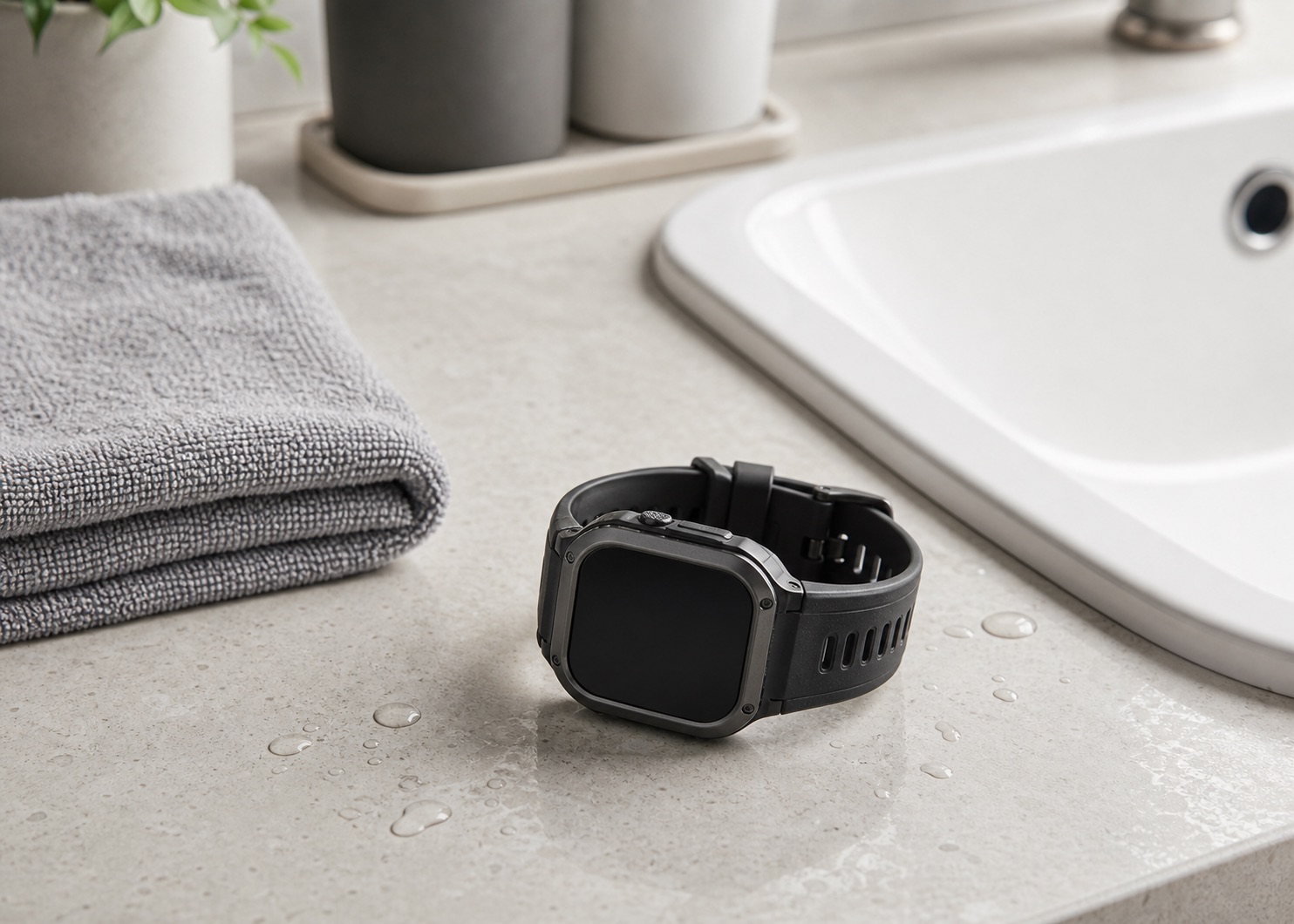
The same caution applies to photographs. A visual of a watch submerged in a pool or struck by a heavy splash implies a use case even if the page includes a quiet disclaimer elsewhere. For that reason, an educational article about ratings is better shown with everyday context, such as a watch near a sink and a dry towel, rather than an image that looks like a performance test. Images and words should tell the same story.
Charging and care instructions are part of the rating conversation
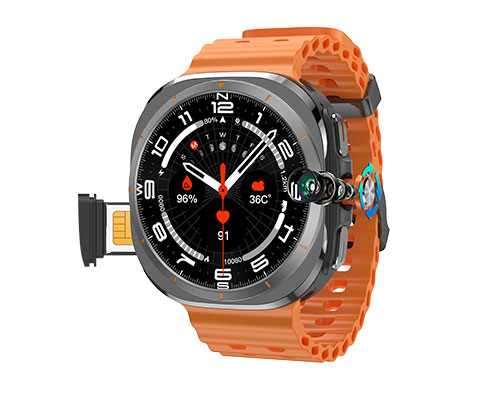
A wearable that tolerates specified water exposure still needs sensible charging guidance. Users should dry the device and charging area before connecting power. Dirt, salt, sweat, cosmetics or cleaning products on charging contacts may affect charging or finish quality, regardless of the product's stated resistance level. If a band, charging cable or cradle has separate limitations, the instructions should say so. These are ordinary care points, but omitting them leaves customers to invent their own rules.
For an OEM project, care information should be reviewed before packaging is complete. Decide where the rating appears, which activities the instruction specifically permits or discourages, and how a customer should respond if a device has visible damage or does not charge after exposure. If the product includes an app, the in-app help or online manual should use the same wording as the box and product page. Conflicting wording is a predictable source of disputes.
Do not combine water language with unsupported health promises
Many wearables include step, sleep, heart rate or other wellness-related records, and active-use marketing sometimes places these features beside water-resistance claims. The two subjects need separate accuracy. An IP rating concerns protection against ingress under the relevant test arrangement. It does not establish the accuracy of a sensor during sport, water exposure or any clinical setting. If a watch or ring offers wellness readings, they should be described as consumer reference information, not medical diagnosis or treatment guidance.
This is especially relevant for a brand targeting exercise or everyday wellbeing. A customer may assume that a sport-styled product provides medical assurance or is suitable for every water activity. Clear copy reduces that misunderstanding: state which activity records the device supplies, provide the non-medical limitation, state the confirmed water-resistance information and refer customers to the manual for care. Straightforward sentences do more work than a row of badges.
Match support answers to the published claim
Water questions often arrive after a product has been sold: Can I wear it while washing dishes? What should I do after it gets wet? Can it be charged immediately? A support team can answer consistently only if the project has approved care wording in advance. Keep a short reference that identifies the final model, confirmed designation, charging precautions and any conditions that customers should avoid. Use the same guidance on the website, in the manual and in responses from customer service.
It is equally important to review changed products. A visual revision that appears small, such as a different case component, button structure or charging arrangement, may require confirmation before the same water-resistance statement is reused. Packaging printed for an earlier version should not quietly control the description of a later one. For buyers, this makes resistance language part of version control: the claim belongs to the tested product configuration and the instructions issued with it.
Questions a buyer should settle before release
Which exact final product configuration was tested, and which IP designation is supported for that unit?
What routine exposures will customer copy discuss, and which water, heat or chemical conditions should be excluded or qualified?
How must users dry, clean and charge the device after everyday moisture contact?
Do product photographs, packaging, manuals and app help all communicate the same limits?
If wellness features are included, does every user-facing description make clear that they are not medical readings?
Keep a copy of the approved care language with the product files used for artwork and online publishing. That way, a future packaging update or new distributor page can use the same tested description instead of creating a broader water claim by accident. Date the approved version so later revisions can be checked against it.
Write protection claims for the product actually sold
A rating is useful because it gives a product team a defined reference point. It becomes risky when it is converted into vague language about unlimited waterproof use. Buyers should verify the intended model, choose careful activity wording, include drying and charging guidance, and keep any wellness features in their proper consumer context. Well Fitness can discuss product configurations and documentation needs for wearable projects where resistance and daily care are part of the specification.
Contact Us