

Preparing Product Specifications for ODM Development
An ODM conversation becomes much faster when the buyer arrives with a defined product question instead of a loose request for a "best smartwatch." It does not need to be a finished engineering specification. It does need to say who will use the product, where it will be sold, which functions matter, what must appear in the app or packaging, and which claims will need evidence. Those decisions give both sides something concrete to review in a sample.
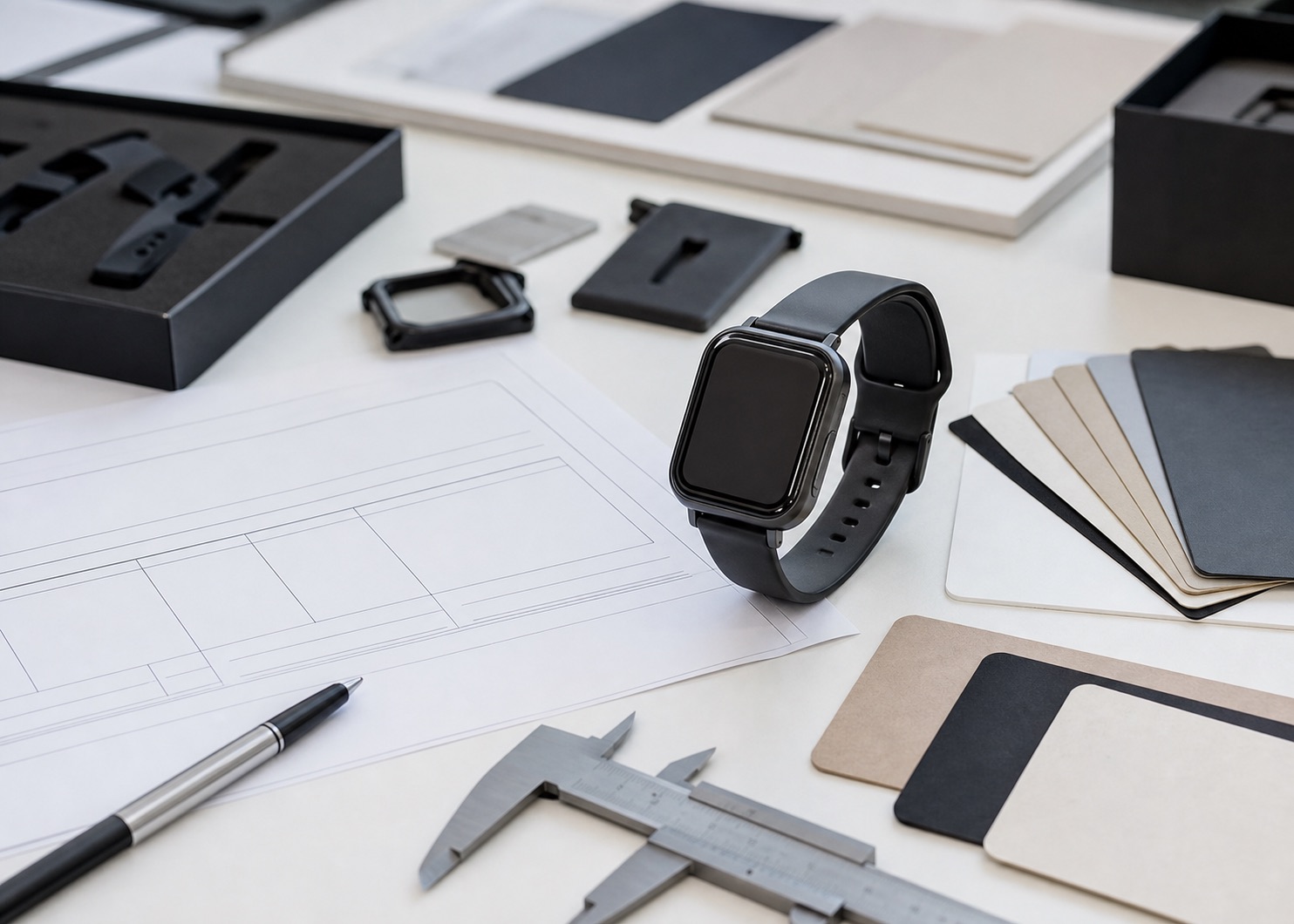
Describe the product job before selecting the model
Start with one or two ordinary situations. A product intended for people who keep a phone nearby may need Bluetooth calling, message notices, music control and a simple activity record. A product intended to make calls without a phone needs a compatible 4G platform, SIM support and network validation in each target region. A smart ring project may prioritize comfort, charging and light everyday wellness information instead of a screen. These are different assignments, even if all of them can be labelled "wearables."
A short use statement should be accompanied by exclusions. If medical use is not intended, say so at the specification stage. If swimming or high-temperature water use is not part of the product promise, do not allow the visual brief or package wording to suggest otherwise. When exclusions are stated early, sample review becomes clearer: the team tests the functions that will be sold, not every possible interpretation a marketing phrase could create.
Capture hardware facts that affect daily use
A useful specification records model reference, screen size and resolution where applicable, battery capacity, charging method, connection type, companion app, supported phone systems, material or finish choices and stated resistance level where relevant. For example, current Well Fitness product pages list JQ005 as a 2.01-inch Bluetooth calling watch with a 200mAh battery and IP67 designation. K01 and K05 are 2.01-inch 4G watch platforms listing 650mAh batteries and Bluetooth connection in addition to independent cellular operation under supported conditions. JQ007 smart ring pages list a 40mAh battery, low-power Bluetooth and IP68 designation.
Putting these items in one review sheet makes differences visible. A larger battery does not automatically mean longer user operation when the platform has cellular calling or different enabled functions. A resistance level should not be repeated in packaging until it has been verified for the final product arrangement. A chipset line is useful when it anchors a specific approved sample, rather than acting as a technical decoration. The goal is not to fill a spreadsheet. It is to prevent avoidable assumptions from reaching the box, app or online listing.
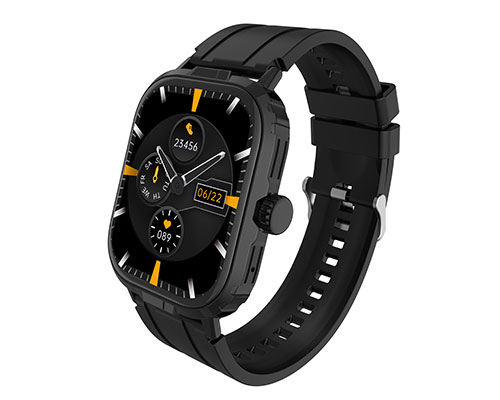
Write the software and language requirements down
For a connected wearable, software behavior is part of the product. The specification should state whether the intended app requires branded presentation, which languages must be reviewed, how pairing is explained and which notifications or data displays customers will encounter. Test common interruptions: phone restart, charging, Bluetooth reconnection and background permission restrictions. If an app depends on permissions to show reminders, that guidance must appear in the manual or support page rather than being discovered through complaints.
Language review matters even when the hardware is unchanged. A menu translated poorly can make normal operation look defective. An app or manual that uses medical-sounding phrases for ordinary wellness records may create a claim the physical product was never meant to make. Buyers should approve the exact wording for battery expectations, water resistance, wellness functions and compatibility statements alongside the appearance of the product.
Prepare the evidence and support materials
Before release, identify which statements require confirmation. Battery wording needs test conditions. Cellular functions need market and SIM checks. Resistance wording needs the correct rating and user-care limits. App availability and phone support need practical checks using the versions intended for sale. Package content, charging cable, instruction language and service contact must match what a customer actually receives. Photographs should show the correct unit and should not suggest unapproved use cases.
Manuals are not an afterthought. They are where customers look after the purchase, and they often reveal gaps in the product brief. A manual for a smart band or watch typically covers fit, charging, pairing and feature controls. A specification should therefore state which manual language is required, where an online guide will be hosted, and how a customer can contact support. If the product includes lifestyle readings, the instruction should include the non-medical limitation in plain language.
Bring examples that show what must be decided
A buyer can make the first ODM review more productive by supplying practical reference material: the target sales countries, required interface languages, preferred finish range, approximate packaging format, product naming rules and any distribution requirements already known. These materials do not lock the project prematurely. They let the product team identify conflicts early, such as an intended 4G feature without an agreed market network check, a water-use illustration broader than the supported instruction, or an app language request not yet covered in the review schedule.
Keep decisions distinguishable from questions. A note marked "must include Bluetooth calling" has a different status from "consider an independent SIM option." A specification that separates required functions, optional features and items awaiting confirmation can be evaluated against samples without confusion. It also allows a supplier to answer specifically: which platform is suitable, which tests remain, what artwork information is needed and which customer claims must wait for verification.
A concise ODM preparation list
Identify target user, sales region, main use case, intended price position and functions deliberately excluded.
Select candidate hardware based on connection, battery, display, charging, app and stated resistance requirements.
Define branding, language, packaging contents, interface wording and required manual versions.
List the tests and confirmations required for battery, app behavior, network operation, water-resistance wording and consumer wellness statements.
Confirm service contact and online product support before final artwork is released.
Finally, keep the approved specification connected to the public pages that result from it. The product photograph, parameter table, manual link, support email and any guide article should all point to the same defined model and feature set. When one item changes, review the connected material before publishing it again. A dated approval record also helps a distributor understand which copy belongs to the current shipment, rather than an earlier sample or draft specification. Retain the approved sample identifier with that record.
A good specification saves argument later
ODM work is easier when everyone is looking at the same product promise. The buyer does not need to arrive with every engineering decision made, but should arrive with a clear intended use and the information that must be tested before sale. This reduces revisions, gives customer-facing copy a factual base and makes sample evaluation worth the time. Well Fitness can review an initial product brief and discuss suitable connected wearable platforms, app support and production requirements.
Contact Us