

Consumer Wearable Health Data: Proper Use and Limitations
People like wearable devices because they can look back at ordinary habits without stopping the day to record each one. A watch or ring can show steps, activity sessions, sleep records or sensor-based trends through a companion app. This information can be useful. Trouble begins when everyday consumer readings are described as if they answer medical questions. A buyer planning a wearable product should decide early how the feature will be explained, not leave that decision to marketing copy written at the end.
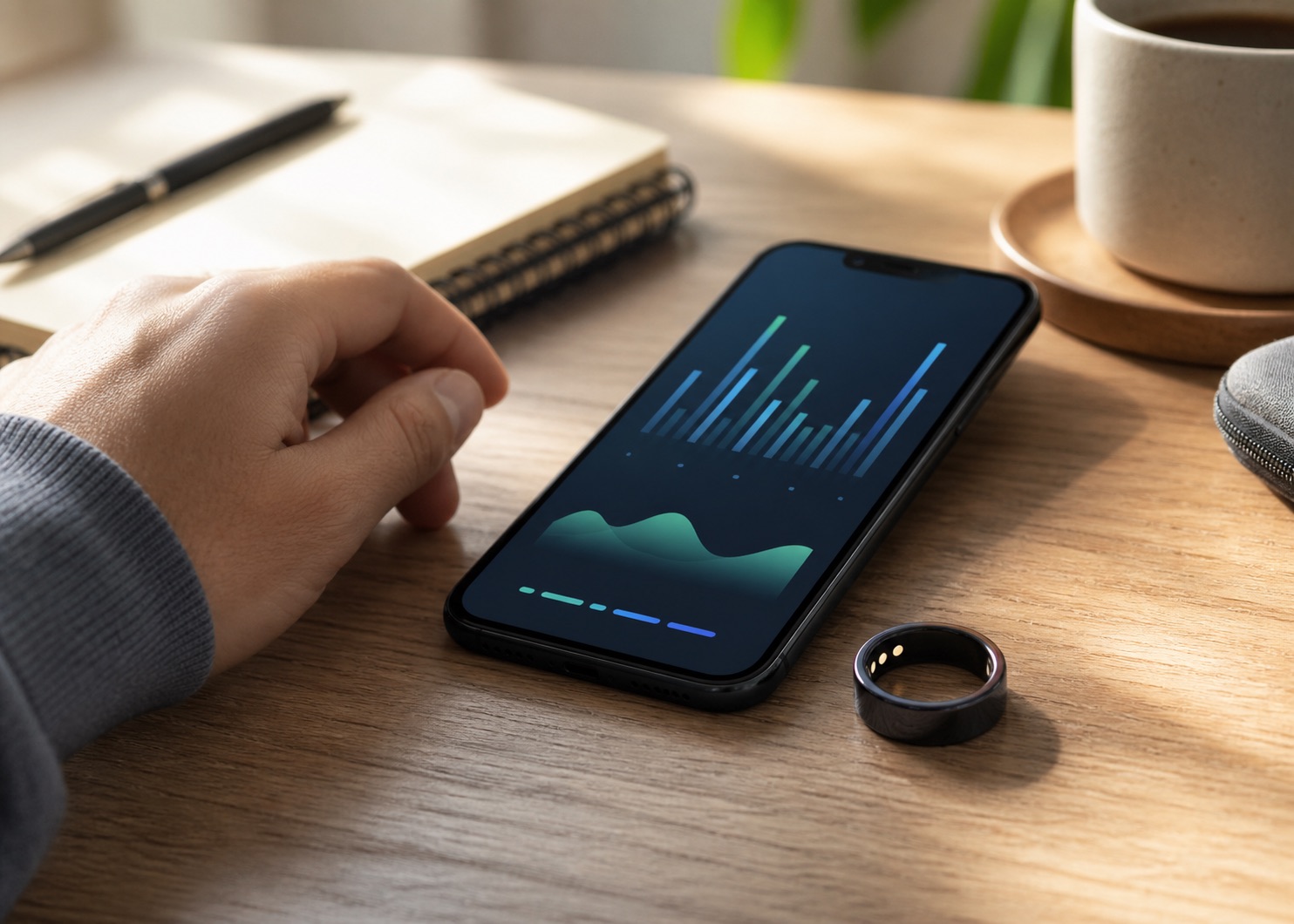
Activity records are easy to understand when kept in context
Steps and exercise sessions are familiar examples. A customer may use a wearable to see whether they moved more on one day than another or to keep an informal record of walks and workouts. Sleep records can help a person notice routine patterns in times recorded as rest. These are practical consumer uses because the information is being considered as part of daily habits. They do not require the device to make a diagnosis, and product language should not suggest that it does.
Sensor-based features need the same context. Current Well Fitness ring and smartwatch materials reference functions such as heart rate, blood oxygen, sleep, steps and exercise records; selected watch models also list blood pressure or ECG-related functions. A product page can say that such readings are available for personal reference and trend review. It should also state clearly that the device is not a medical instrument and that readings must not be used to diagnose a condition, respond to an emergency or decide treatment.
A reading can vary for ordinary reasons
Wearable information is influenced by fit, movement, contact with skin, charging level, enabled settings and the way a person uses the device. A ring may fit differently across fingers or during exercise. A watch worn loosely may make less consistent sensor contact. These are reasons to give customers practical wearing instructions and a realistic description of the data, rather than implying clinical certainty. A manual that explains correct wear and connection supports both product use and responsible communication.
An app display also shapes expectation. A graph that presents daily records as a personal history is appropriate for a lifestyle product. Language that uses alarm-style medical conclusions, unverified disease claims or treatment directions is not. For an OEM or ODM project, the app screens, onboarding text, packaging and web page should be reviewed together. If one surface calls a feature a wellness record while another promises medical monitoring, the user is left with the riskier interpretation.
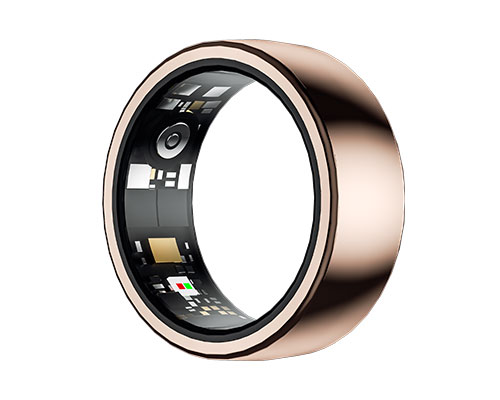
Product claims should follow the device and intended market
A project team should confirm which functions are present in the final model, which functions appear in the companion app and which descriptions are suitable for the sales market. For example, a ring with a 40mAh battery and low-power Bluetooth connection may present routine wellness information in its app, while a larger watch may offer additional menus and sensor functions. Neither should be described beyond the confirmed device behavior and applicable product requirements. A longer feature list does not justify stronger health claims.
This review is also relevant to images and article topics. A product image beside a normal activity screen supports a daily-use message. Images showing hospital-like monitoring, urgent warning screens or clinical equipment would create a different expectation. When a company writes educational content about wearable readings, the illustrations should avoid implying evidence or medical capability that the consumer product does not have.
Tell users what to do when health matters
A sensible limitation does not make a consumer wearable useless. It makes the device easier to use for its actual purpose. Users can review daily activity and personal trends while understanding that symptoms or urgent concerns need qualified medical attention. A wearable reading should never be presented as the reason to delay care, ignore a symptom or adjust treatment. If a user needs medical measurement, they should use appropriate certified equipment and professional advice.
This message should not be hidden. For products carrying wellness functions, it belongs in the product overview, manual, app help and any educational article that discusses readings. A short, direct sentence is enough when repeated consistently: consumer wearable information is for general reference, not medical diagnosis or treatment. The statement helps users interpret the feature, and it helps buyers create a more accurate product presentation.
Review the full user path, not one product page
A customer may meet the same feature in several places. The listing card may mention health tracking; the detail page may name particular records; the app may display a daily chart; the manual may explain how the device is worn; support staff may answer questions about unexpected values. Each of these points should use compatible language. If the sales page is restrained but the app menu or an online advertisement uses clinical wording, the careful paragraph on the website cannot correct the wider impression.
For a buyer, a simple review method is to follow the user path before release. Open the package copy, pair the sample, view each relevant app screen, read the manual instructions and write down the answer a support agent should give if a customer asks whether a reading indicates illness. The answer should remain clear: the product supplies consumer reference information and cannot assess a medical condition. If that answer feels inconsistent with any screen or description, the content needs adjustment before launch.
This review can also catch ordinary usability issues. A user who wears a ring incorrectly, cannot maintain a connection or misunderstands a chart may blame the sensor when clearer fit and pairing instructions would solve the immediate question. Accurate limitations and practical setup guidance work together; neither should be replaced by a more ambitious claim.
A responsible content checklist for buyers
List only sensor and activity functions confirmed for the final device and companion app.
Describe results as everyday wellness or activity reference information rather than medical monitoring.
Include correct wearing, charging, pairing and app-permission guidance in the manual.
Review packaging, web copy, app screens and imagery for consistent non-medical wording.
Tell users to seek appropriate professional care for symptoms, emergencies or treatment questions.
A support page can reinforce this approach by linking to wearing, charging and pairing guidance before discussing unexpected results. Many user questions begin with everyday operation, and those questions deserve practical answers without implying clinical interpretation.
Clear limits improve the product explanation
A consumer wearable does not need exaggerated claims to be useful. Its value can be stated in plain terms: it helps users view daily activity and selected wellness-related records in a convenient form. Buyers who set that expectation consistently can focus on comfort, app usability, battery behavior and clear instructions, which are the parts customers live with each day. Well Fitness can discuss suitable wearable platforms and documentation needs for projects requiring responsible wellness feature communication.
Contact Us