

Bluetooth vs 4G Smart Watches: Choosing Connectivity for Your Product Line
Two smartwatches can have similar screens and familiar menus while asking very different things of the buyer and the customer. A Bluetooth calling watch uses a nearby phone for connected communication. A 4G smartwatch can be designed to place calls through a compatible SIM on a supported network. Neither approach is automatically better. The practical choice depends on when the wearer needs communication, how much setup the product team can support, and what expectations the final packaging creates.
Bluetooth calling is built around the phone
A Bluetooth calling watch is appropriate for a user who normally has a phone in a bag, pocket or nearby room and wants a more convenient wrist interface. The Well Fitness JQ005 description includes always-on Bluetooth, one-key dual connection, Bluetooth calling, notifications, music functions, activity features and a 2.01-inch, 240 x 296 display. Its 200mAh battery and phone-connected role suit a product concept focused on daily convenience rather than independent mobile service.
This does not mean the setup is invisible. The user still needs a compatible phone, a successful Bluetooth pairing and the appropriate app permissions for the intended features. Background restrictions on a phone may affect notification or reconnection behavior. For a buyer, testing should include initial pairing, returning connection after charging or phone restart, call audio, notification instructions and app language. If the intended audience is comfortable carrying a phone, a well-explained Bluetooth product may be simpler to purchase and support than a cellular alternative.
A 4G watch adds independence and obligations
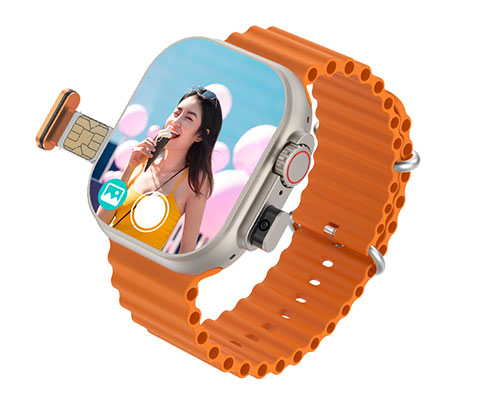
A 4G watch is considered when independent calling is central to the user story. Current Well Fitness pages describe K01 and K05 platforms with 650mAh batteries and a JL7012 plus GX318L hardware arrangement; BW10PRO lists a 450mAh battery and JQ7019 plus GX318L platform. These models are presented for independent SIM calling under compatible network conditions, while also allowing Bluetooth calling and app synchronization when a phone is present. A product team may choose this type for users who want a calling option away from their phone.
The extra capability brings extra validation. Cellular bands and service must work in the planned region. A SIM arrangement may affect onboarding and support. Network conditions can influence operation and battery experience. The package and online page should not merely say "4G calling" and leave users to discover compatibility after purchase. A buyer should verify supported conditions, decide how SIM requirements will be communicated and ensure that the manual explains both independent and phone-connected modes without confusion.
Battery comparison needs equivalent use cases
Capacity figures are tempting to compare directly. The JQ005 Bluetooth watch lists 200mAh, BW10PRO lists 450mAh, and K01 and K05 list 650mAh. That tells a buyer about cell size, but it does not by itself tell a customer how many days each unit will deliver. Cellular registration and independent calls can require power not used in the same way by a phone-connected product. Display brightness, dial settings, camera use, reminders, sensor behavior and call time also influence results.
Compare products using the intended routine. If the 4G product is meant to place calls without a phone, include that behavior in testing. If the Bluetooth model is intended for notifications and short calls from a paired phone, test that routine instead. Write battery copy only after the final feature selection and test conditions are known. Customers usually accept ordinary variation when the description is candid; they are less forgiving when a maximum figure is presented without context.
The product page must separate convenience from health claims
Both connectivity types may include activity or wellness-related features such as steps, sleep, heart rate, blood oxygen or similar readings. Connectivity does not change their proper interpretation. These readings are for consumer reference and routine activity review; they are not a medical diagnosis, emergency response service or basis for treatment decisions. If a brand discusses these functions, the same limitation should be stated on its product pages and in manuals, regardless of whether the product connects through Bluetooth or a SIM.
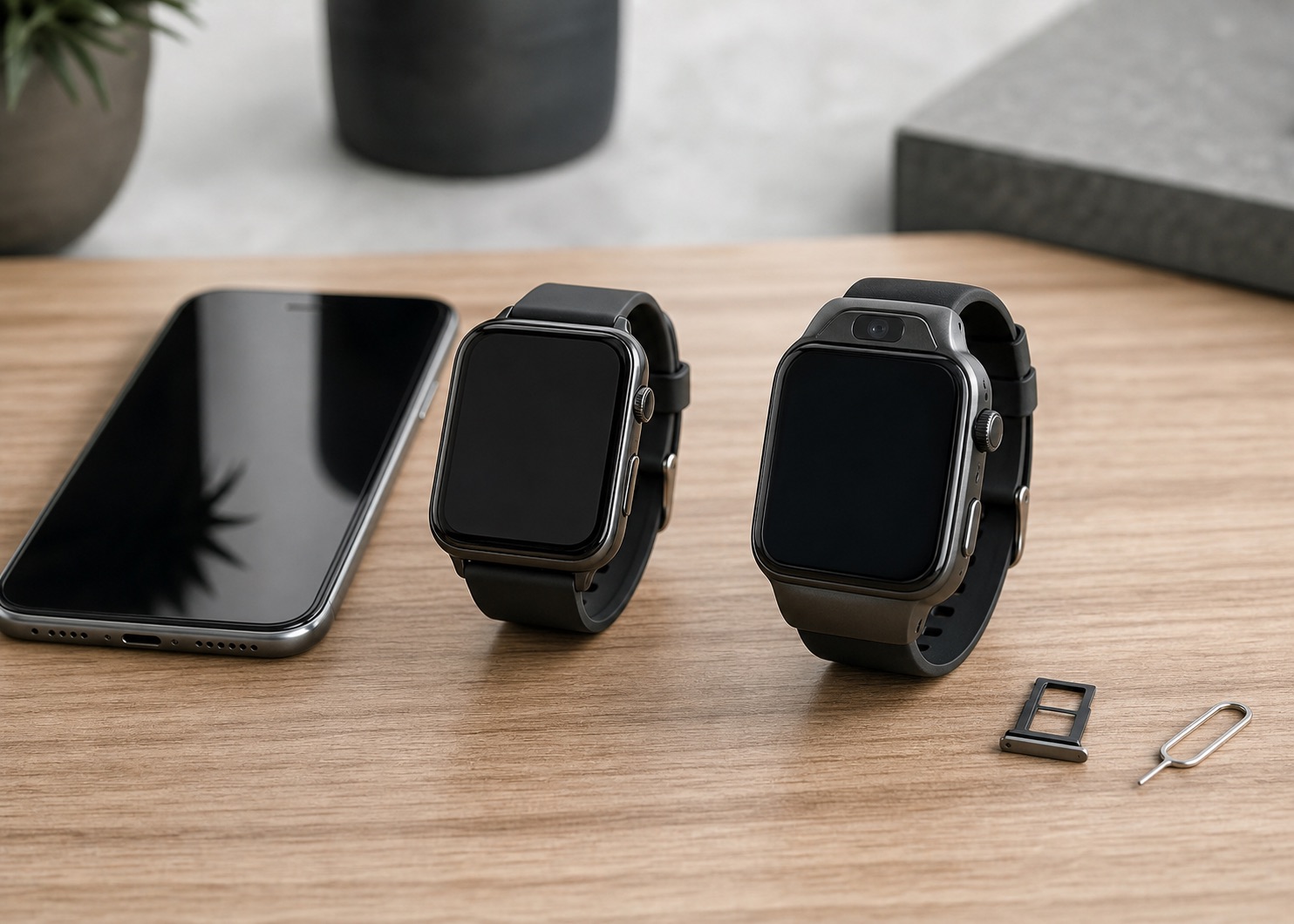
Images should be equally careful. Showing a phone beside a Bluetooth watch or an empty SIM tray beside a 4G watch communicates the connection choice without suggesting service providers, network guarantees or medical functions. A clean comparison gives customers a fair understanding of what must be set up in real use.
Plan the questions customers will ask after purchase
A connectivity choice is also a support choice. For a Bluetooth product, common questions may concern pairing, app permissions, missed notifications or call handling when the phone is out of range. Instructions should show the intended pairing route and explain that the phone remains part of connected operation. For a 4G model, customers may additionally ask which SIM is suitable, why service is unavailable in a location or how independent calls relate to Bluetooth functions. These questions should be anticipated in manuals and customer contact procedures.
Testing a successful demonstration call is only the beginning. Review how the watch behaves after charging, after a phone restarts, after Bluetooth disconnects and, for 4G models, when a supported SIM is installed under ordinary network conditions. Record the test configuration before using it as the basis for web copy. This keeps a brand from describing connection behavior in broad terms that the support team later has to narrow one customer at a time.
Decision points for a buyer
Choose Bluetooth calling when a nearby phone is part of normal use and simpler onboarding is important.
Choose a 4G platform when independent calls are essential and regional SIM and network checks can be supported.
Verify app, pairing, call handling, language and battery conditions on the final sample for either option.
For 4G products, write SIM and network requirements plainly in product material and manuals.
Keep any wellness readings in the consumer reference context, separate from the connection choice.
A simple comparison table can help distributors and support staff as well as buyers. It should state whether a phone is required for calls, whether a compatible SIM and supported network are needed, which app route is intended, and which battery conditions were checked. It should not promise coverage or operating time beyond verified conditions. Keep the table with the approved manual and sample record. Note the test region and phone version used.
Connectivity should match the promised routine
A product line may have room for both options, but each should have a clear role. Bluetooth calling suits customers whose phone remains part of daily use. A verified 4G platform suits customers who specifically need communication away from the phone and accept the added setup. When a buyer can explain that difference in one paragraph, the platform decision is probably on solid ground. Well Fitness can discuss Bluetooth and cellular watch candidates for a defined OEM or ODM requirement.
Contact Us